Flagship Programmes
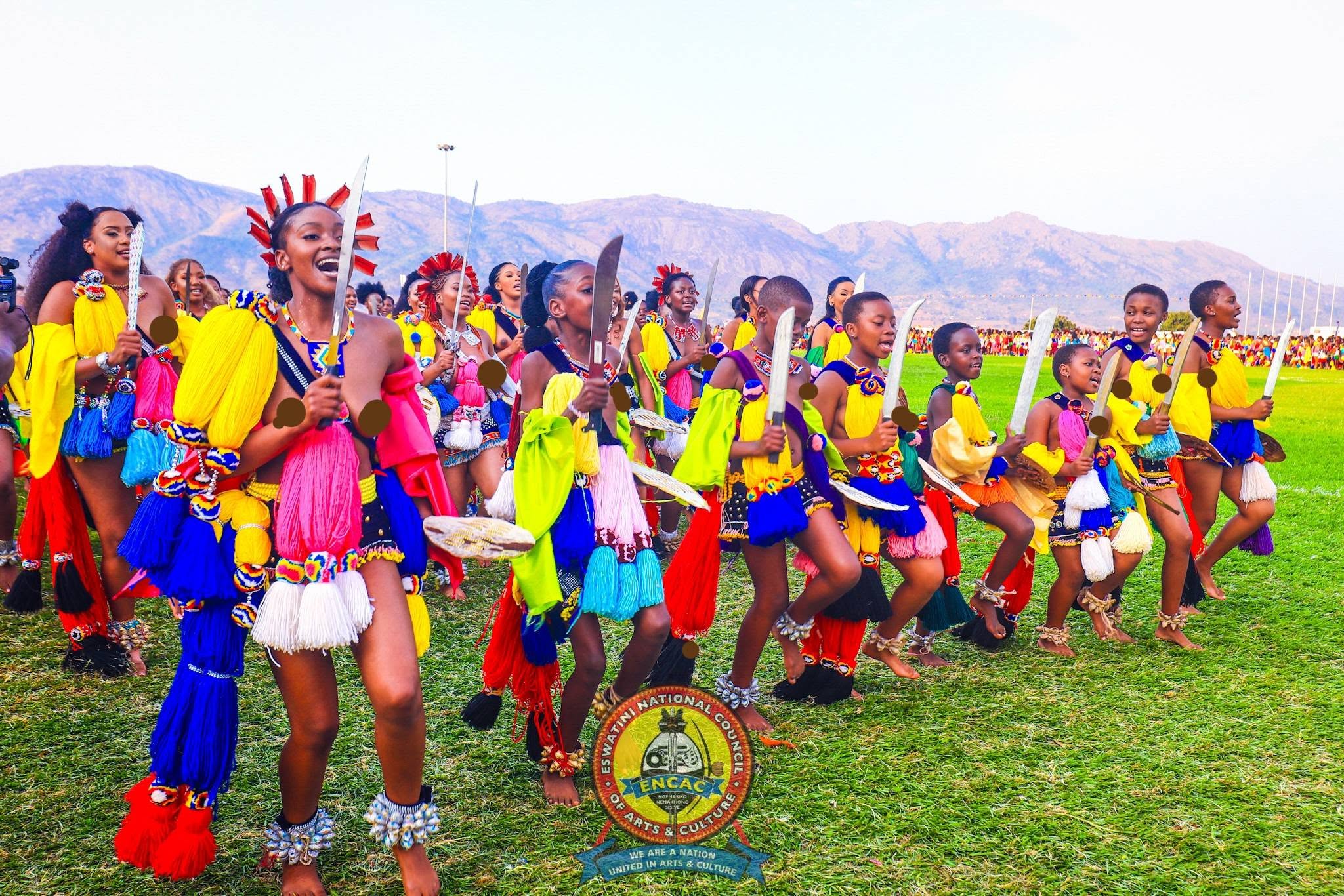
Umhlanga Reed Dance
The Umhlanga Reed Dance is one of Eswatini's most iconic cultural events, celebrated annually in late August or early September. Thousands of young women from across the kingdom gather at the Ludzidzini Royal Village to present reeds to the Queen Mother, celebrating purity, unity, and cultural pride.
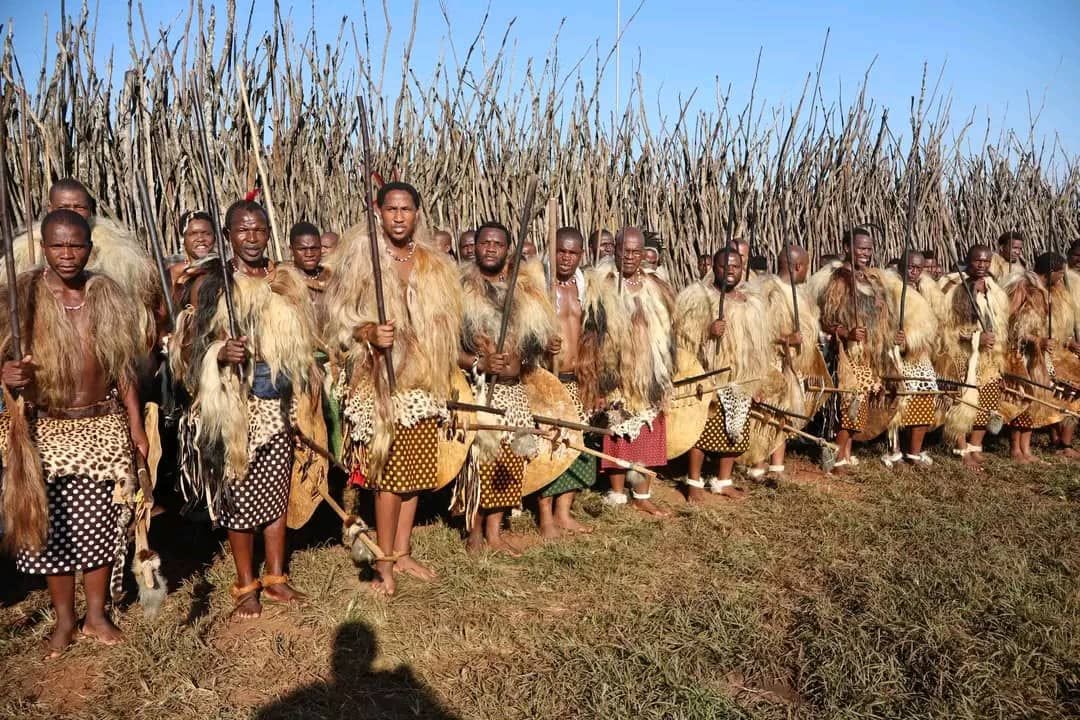
Incwala Cultural Programme
Incwala is the most important cultural ceremony of the Swazi nation, also known as the First Fruits Ceremony. It is a celebration of kingship and national unity, involving the ingestion of the first fruits of the season and the renewal of the sacred bark of the Lusekwane plant.

National Arts & Culture Awards
The National Arts and Culture Awards (NACA), hosted by the Eswatini National Council of Arts and Culture (ENCAC), are the country's premier awards programme dedicated to recognising and celebrating excellence in arts, culture, and the creative industries.
The awards honour outstanding artists, cultural practitioners, organisations, and creative professionals across various disciplines, including music, dance, theatre, film, visual arts, literature, fashion, heritage, media, and digital creativity. Beyond celebrating achievement, NACA aims to promote artistic excellence, preserve Eswatini's cultural heritage, empower creatives, and contribute to the growth of the country's creative economy by creating opportunities for recognition, networking, and professional development. In recent editions, ENCAC has also expanded the programme to include regional activations and festivals, ensuring that artists from all four regions have an opportunity to participate and showcase their talent.